Why the Canon RF50mm Is a Portrait Photographer's Dream
Wiki Article
The Canon RF50mm gives you a natural field of view, a fast aperture, and none of the bulk that comes with zoom lenses. If you had to own just one lens for the rest of your photography life, a lot of working photographers would tell you to pick a 50mm. There's a reason for that.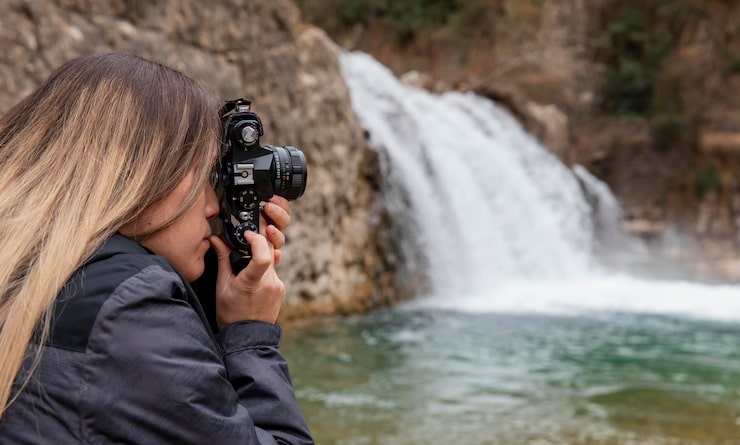
What Makes the Canon RF50mm So Special
The Canon RF50mm was designed from the ground up for Canon's mirrorless RF mount, not adapted from an older EF design. That matters more than it sounds like it should. Autofocus is quicker and more confident, and images come out noticeably crisper than what you'd get running an EF lens through an adapter.
A few things really stood out to me once I started shooting with it:
-
The aperture opens wide enough to melt backgrounds into soft color
-
It's small and light — you forget it's even on the camera after a while
-
It costs a fraction of what Canon's L-series lenses run
-
Skin tones render naturally, without that slightly clinical look some lenses have
None of these are flashy specs on their own. Together, though, they add up to a lens that just works for people's photography.
Is the Canon RF50mm Actually Good for Portraits?
Yes, and honestly, it's not even a close call. Fifty millimetres sits close to how our eyes naturally perceive distance and proportion. Shoot a face with something wider, and you'll often get subtle distortion, especially near the edges of the frame. The Canon RF50mm avoids that problem entirely, which is a big part of why so many portrait photographers reach for it first.
I've talked to photographers who upgraded from a kit lens and described the jump as "instant". Backgrounds go soft, subjects separate cleanly from the scene, and the whole image just looks more deliberate.
How Does It Stack Up Against Other Canon RF Lenses?
It's worth knowing where the Canon RF50mm sits in Canon's lineup, since it's easy to confuse it with lenses built for very different jobs.
The Canon RF35mm, for instance, is better suited to environmental portraits — shots where you want some of the surrounding scene to tell part of the story. A lot of working photographers actually keep both the Canon RF35mm and the Canon RF50mm in their bag and switch between them depending on the shot.
Then there's the Canon RF 100-400, which lives in a completely different world. That lens is about reach — wildlife, sports, anything shot from far away with heavy background compression. Comparing the Canon RF 100-400 to the Canon RF50 mm is really comparing two tools built for opposite jobs.
Both the Canon RF 35mm and the Canon RF 100-400 have their place. Neither one gives you that classic, intimate 50mm portrait look, though.
It's Not Just a Portrait Lens
Portraits are where the Canon RF50mm earns its reputation, but that's not the whole story. I've used mine for:
-
Quick street shots when I don't want to carry much gear
-
Simple product photos with a clean, blurred background
-
Travel days when packing light actually matters
-
Indoor events where the light disappears fast
Because it's so unobtrusive, plenty of photographers just leave the Canon RF50mm mounted as their default lens, only reaching for the Canon RF35mm or Canon RF 100-400 when a specific shot calls for it.
Build Quality and Everyday Handling
Canon didn't skimp on feel just because this lens is affordable. The focus ring turns smoothly, the mount feels solid, and nothing about using it day to day feels cheap.
New photographers tend to appreciate it most. Eye autofocus locks on reliably even when the lighting gets tricky, which takes a lot of the guesswork out of learning portrait photography in the first place.
Frequently Asked Questions
1. Is the Canon RF50mm a good choice for beginners?
Definitely. It's affordable, forgiving, and there's honestly no better lens for learning how aperture shapes depth of field.
2. Which should I get first, the Canon RF50mm or the Canon RF35mm?
If portraits are your goal, go for the Canon RF50mm. In case you need something to tell stories through, then the Canon RF35mm will be a good choice.
3. Will the Canon RF 50mm work just like the Canon RF 100-400?
No. While the Canon RF 100-400 is used for distant subjects and compression purposes, the Canon RF 50mm works for up-close natural portraits.
4. How does the Canon RF 50 mm perform in low lighting?
Yes. The wide aperture is one of its strengths that enables shooting at night and in venues where there isn’t much light.
5. Who is the Canon RF50mm really for?
Just about everyone. Beginners lean on it to learn the basics, and plenty of professionals still reach for it on paid shoots.
Final Thoughts
The Canon RF50mm didn't win me over with spec sheet bragging rights; it won me over by making portraits easier to get right, shoot after shoot. Pair it with the Canon RF35mm for variety, save the Canon RF 100-400 for the days you need reach, and let this little lens handle the rest.
If you haven't tried one yet, that's really the only way to know for sure. Pick up the Canon RF50mm and see for yourself what your portraits have been missing.
Read more--https://medium.com/@parulbhakti/why-the-canon-rf50mm-is-a-portrait-photographers-dream-05b477fcff46